
If you do not have a plan when things go wrong, what do you do? You are trusting yourself to make a reasoned choice quickly amongst chaos and emotion. Planning is not some magical thing where you have to tirelessly plan out every scenario or every detail - as people who hate planning might think. Nor is thinking that the plan will need to change anyway so why bother doing it in the first place.
It is the planning, rather than the plan itself, that is beneficial. It is the thinking time ahead of chaos that allows better decisions when the plan is knocked off track, even if you have not formally considered the event or circumstances that end up impacting the plan. Similarly, it is much easier to assess what is going on in life through a mental model. We have mental models whether we consciously choose them or not, so why wouldn't you want to be conscious of them! To be more aware of yourself, you need to be aware of the mental models you are using. A plan is very to mental model, it helps make sense of what is going on around you, and the consequences, very quickly. It provides structure now, to any further decision. With no plan to start with, things will quickly descend into scattered panic and disorder at the first sign of trouble. This is what leaders do. They must sell the vision of the future, gain buy-in and then get on track through a plan. Meetings are no different. They will descend into mindless chatter and chaos without knowing the vision of the meeting - the purpose. There must also be a semblance of structure - an agenda. It does not need to be detailed, but it does need to be there to protect the purpose of the meeting. Things will go off track but deciding how to get back on track is much easier now you have done the groundwork. 
The second of this weekend's link posts is from my fave, James Clear. A short and sweet excerpt, although the whole article is a quick read too:
Here’s the single greatest skill in any endeavor: doing the work. Not doing the work that is easy for you to do. Not doing the work that makes you look good. Not doing the work when you feel inspired. Just doing the work. You might not be a brilliant writer, but if you actually write something each week, then you’ll be better than most because you are doing the work. You might not be an incredible athlete, but if you never miss workouts, then you’ll be better than most because you are doing the work. You might not be a savvy business person, but if you make a point to serve your customers every single day, then you’ll be better than most because you are doing the work. Read the whole article here 
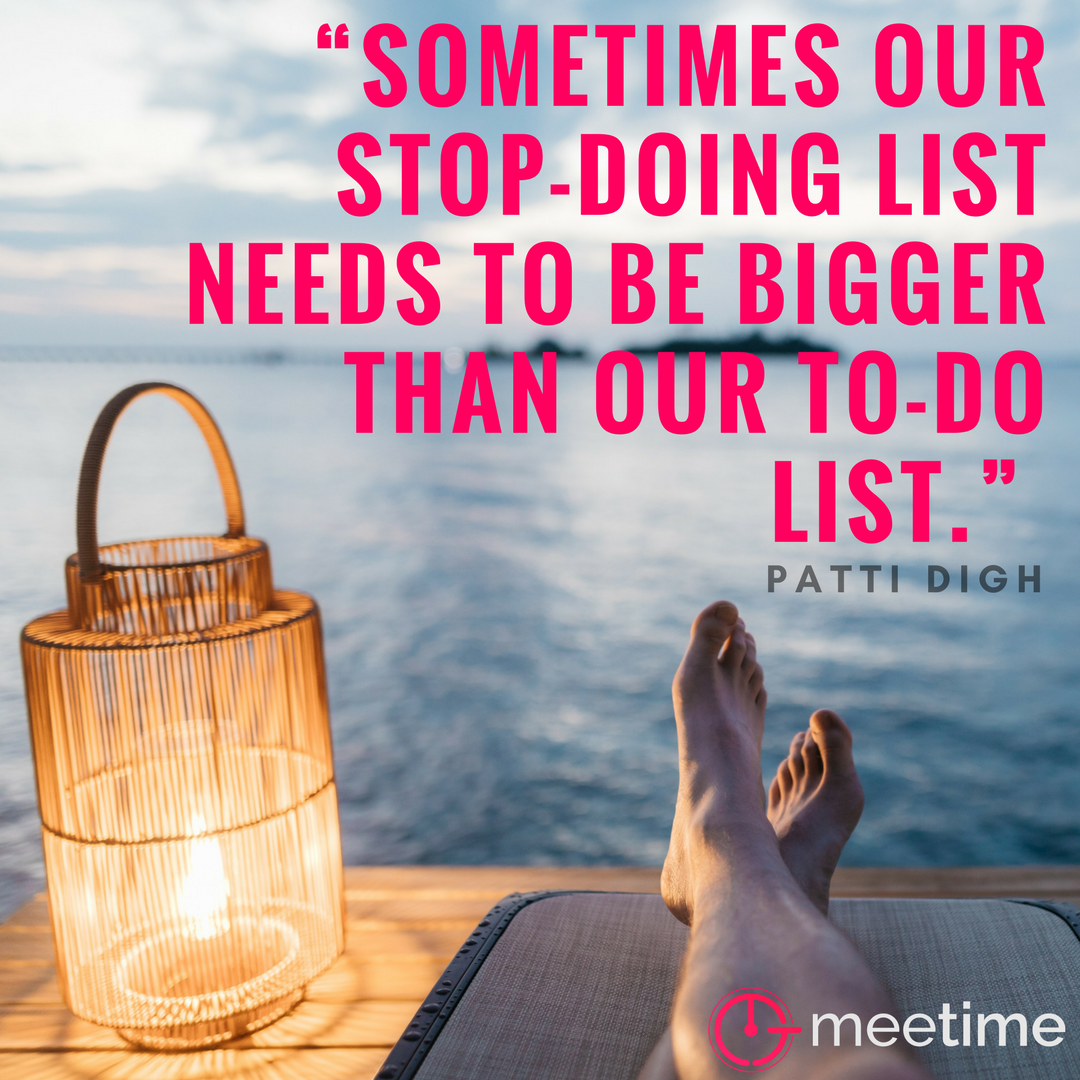
The first of this weekends's link posts is from Alison Rimm on HBR about to-do lists. The whole article is worth a read for how she manages her to-do's, but I love the following advice about using this in conjunction with your calendar, which I have also been doing for a while now:
The calendar is for blocking out time to accomplish important matters on schedule. For example, instead of putting an item like “write speech†on my to-do list, I put it on my calendar, blocking out the necessary prep time to get it done. I do this as soon as I book the speech. Then there’s no chance that I’ll notice the day before, “Oops, I’m supposed to give that speech tomorrow!†And putting it on the calendar right way means that if I don’t actually have time to write the speech, I can see that at the outset and (regretfully) decline the opportunity. I consider that block of time an unbreakable appointment. Read the whole article here 
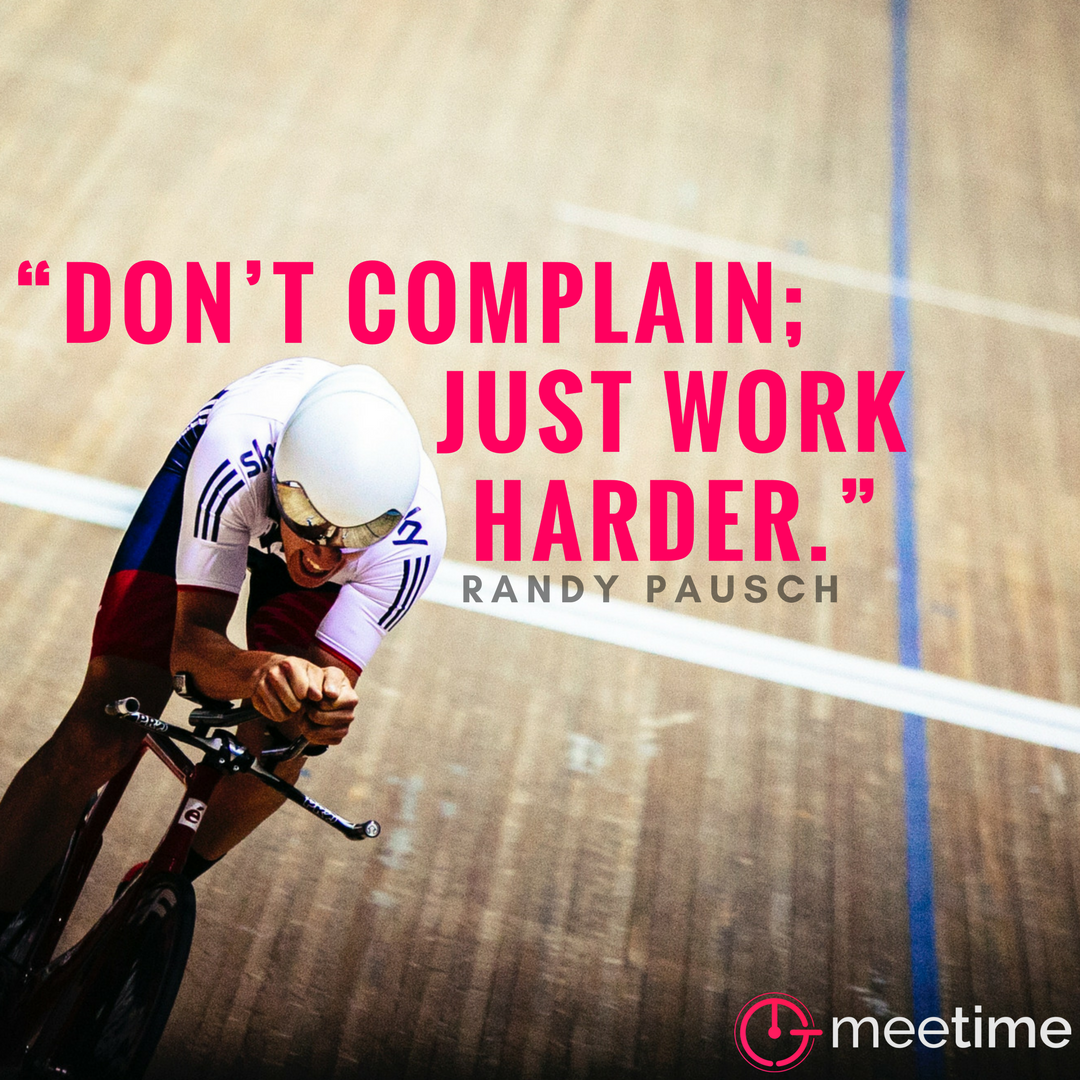
I used to think that it was just a way to stop people complaining in meetings. To give them an action to sort out whatever they raised as an issue in a team meeting.
Well, it might be, but it is also a great gift for development. If someone cares enough about a subject to raise it as an issue amongst their boss and their peers, then it must be something important to them to change. Allowing them to take responsibility for sorting it out rather than just stepping in to provide an answer is a great way to get someone to grow. It shows that they can take responsibility for everything in their lives and therefore work to change it. It also serves a great purpose to teach them time management. They are not going to have anything taken off their plate, they must find time to do sort the new issue too. Giving someone something they are passionate about is the best way to prioritise and make things quicker as they will have to find a way to make the things they are less interested in, or less important, be done in a faster time to free up space for this new project. If they were not passionate about it and they were just complaining, then this a great lesson too. It is easier to criticise than it is to do. No one is going to sort out shit for you, you are going to need to do it on your own. Not complaining is a great habit to get in to, although one that I find particularly difficult in our society as we are surrounded by it. All the news is complaining. About something someone has done, something someone has not done or something someone should have done better. There are not many influences around us that teach us to just make the change ourselves in whatever version we can influence. And then to build on it. This is how everything gets done but apparently is not important enough to be taught at school. 
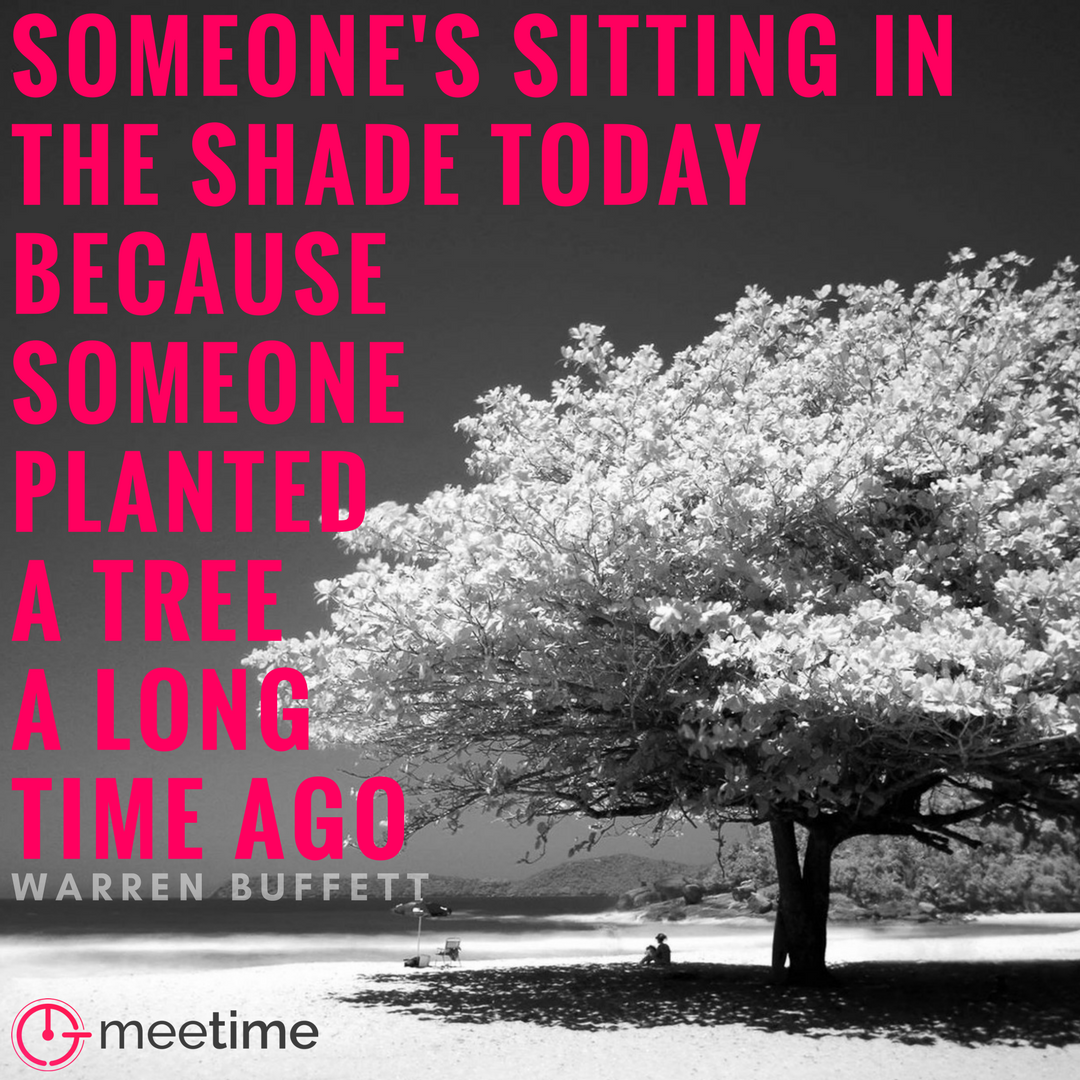 We choose our own actions. Even when we are planning the future, it is the planning that we are doing in the present moment. We only have the present to do things and only a series of present moments before the future becomes the present and then just as quickly becomes the past. Wishing is the worst of future activities. Wishes get you nowhere. Next best is planning. This can be helpful but can also be disguised procrastination. If you are planning in the present moment, then this is also time that cannot be spent actually doing the activities that will move your plan forward. Realise this and also that 'no plan survives first contact with the enemy' as well as the fact that you are unlikely to be planning to lead men into war. If you plan fails, it does not matter. Try something else. If it can be helpful to plan, but also if the plan is likely to change and is not life-threatening, then how much time should you. Spend planning? As little as possible. Say, ten minutes? A plan can protect us from busy work. We just need to make sure that doing the plan, and the associated tasks of keeping it up to date does not become the busy work itself. A quick rule of thumb for planning quickly: Plan top-down using no more than three steps. Then list no more than three steps below these as sub-tasks sub-steps. This forces you to keep it really simple. Do not over complicate things. You do not need much structure to know what you should be doing right now. Keep it simple to the point that it seems too simple. Then do the first thing that you can do. You do not need much more than this to start. Just start.  
The twelve-week year. A 90-day challenge. It seems like even the algorithms of the internet reward you for consistency for 3 months.
Even before I heard of these, when I was busy in my day job, I found that I could cope with long hours and working weekends as long as it was in three-month bursts. I knew that during those three months I had to find a way of making all the things I was currently doing fit into a sustainable timeframe to give me a "break" by being able to work "normal" working hours for the subsequent three months. At the end of the three-month burst, I would be able to take a holiday, get back into a more moderate pace for three months before taking more one on and having a mother three-month burst. After doing this a couple of times, it no longer took three months to sort out the next big workload. The same techniques can be implemented much quicker once you have practiced them and you start to get into a groove of your own system: cut out these meetings, replace with reports; find out who is reading the reports and cut out the ones not needed; find some areas of the business driving noise and move them to self-serve with a bit of training. The thing that takes longer than three months is working on yourself. And that is okay. Once you have taken the time to boil things down to habits you can do every day no matter what - then do them every day, no matter what - why stop doing them? Build upon them instead. You might have identified one habit in order to get fitter. Great, well don not stop when you have done this for 90 days, just build on top of it. Find a way of making it sustainable. Thinking of a 90-day challenge of content creation, I think this is where Gary Vee's document versus create comes from: do not give yourself the excuse of not having ideas for content, just document your day - that is the content. Where else can you find excuses and turn them on their head? Find a way of keeping going longer than 90 days. Use the common three methods eliminate (other busy work), automate (non-important things taking your time), delegate (the tough bits or get help). 
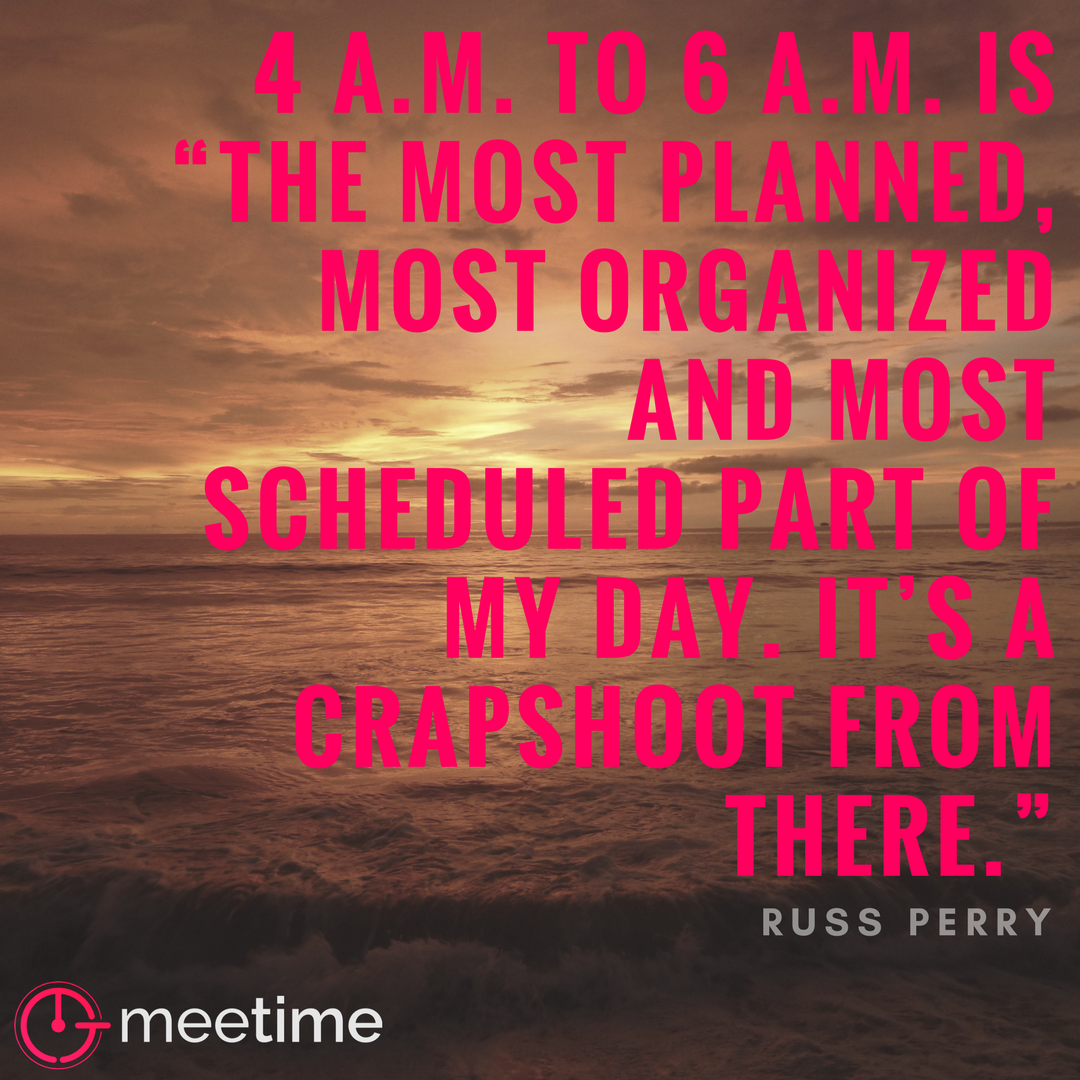
The second of this weekends link posts is from The Wall Street Journal Article on the most productive hour of the day - 4am. Some highlights below:
One of the most common challenges to productivity, Dr. Davis says, is that people booby trap their offices with distractions: Desk clutter, email pop-ups, cellphone, Facebook , news feeds. "By waking up at 4 a.m., they've essentially wiped a lot of those distractions off their plate. No one is expecting you to email or answer the phone at 4 a.m. No one will be posting on Facebook. You've removed the internal temptation and the external temptation." Read the whole article here 
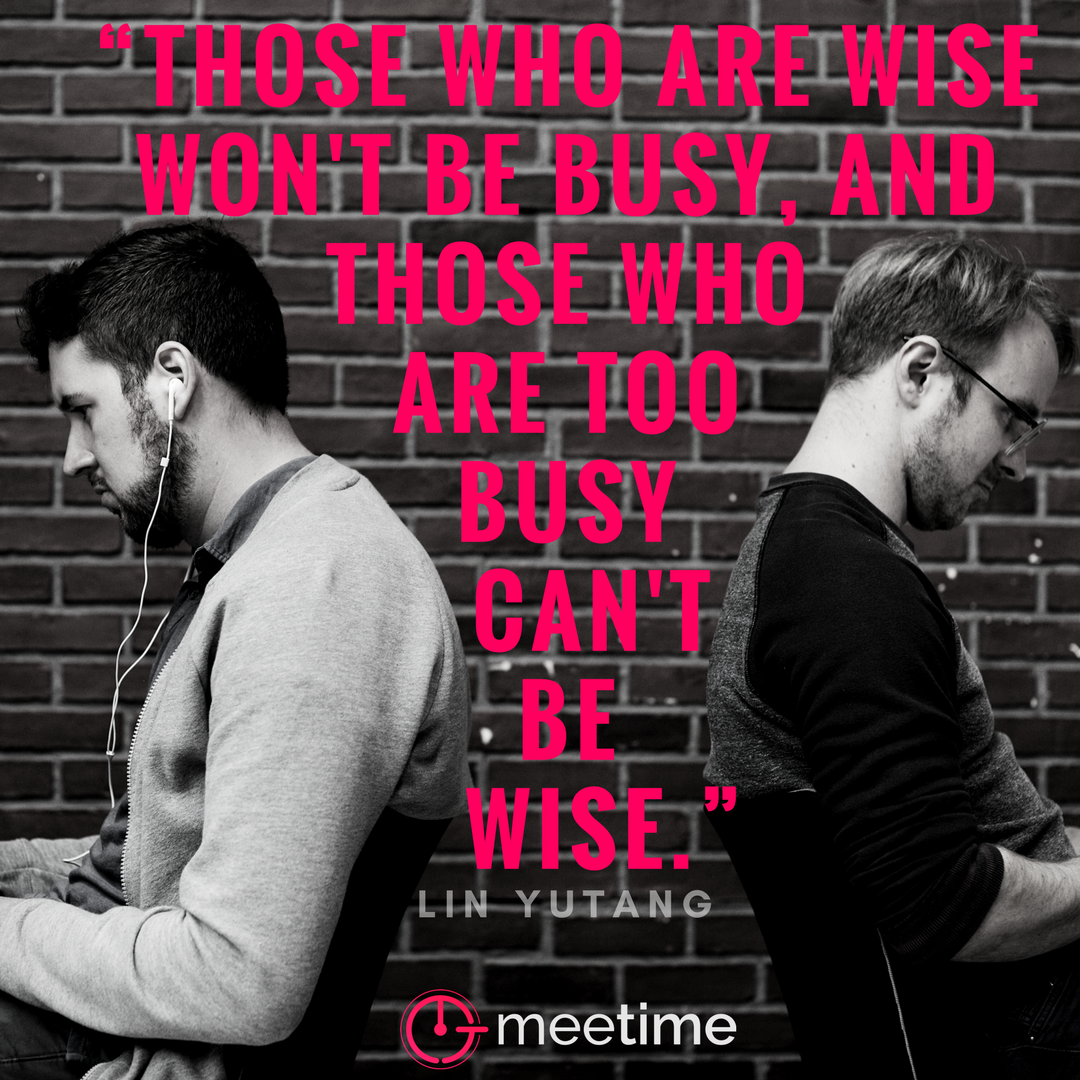
My ideal job, assuming I had to trade time for money, would be going to organisations and helping them to cut out busy work. Processes that are political rather than help results. Random thoughts from the top that send a ripple into a tidal wave as it makes its way down the organisation. The quick Excel sheet that turns into a monster model to bypass an idiosyncrasy of the system rather than fixing it. Throwing people at the problem rather than process or system. Meetings that are not focussed on creative high-level thinking, strategic planning or tactical execution (all of which are valuable) but instead are a talking shop where people try to do other people's jobs. Things that make people feel good rather than actually driving results.
Forecast and stock policy is a great example. The higher level the forecast, the more accurate it is usually. When something fails a customer order, every man and his dog wants a say on what the process should be. How could you not know that my customer needed this stock? We must change to individual forecasts and roll them up. What do you think happens then? Everyone includes a little bit of buffer and it multiplies up until the forecast is ridiculously over-egged. No chance of us failing orders anymore but now we need another warehouse that we have not costed into the sales price, so now we are not making any money. This example can be seen in every function in every area of corporate life. The proliferation of meetings is the same. The CEO wants a numbers review every month, not an unreasonable request. So, the SE's need a pre-meeting every month. Each functional SE needs a pre-pre-meeting with their managers and they, in turn, need pre-pre-pre-meetings with their teams to know what is going on. Meetings can be great, but only if you have the right inputs focussed on what you want to get out of it. Why does the CEO want to have a numbers review? Tell that to the people at the bottom actually doing the work and see what you get back without the managers in-between. You might be surprised. 

The second of this weekend's link posts. Today's excerpt is from Zdravko Cvijetic writing about productivity techniques. Here is our favourite:
5. Block Time
The last sentence is worth reading three times. You must block time to do actual work or else you will get run over by busywork. Get out of meetings early and work on your top 3 goals. MeeTime can help
Read the original article here 
It is time for the weekend link posts again. This one is from a great article by Christopher D. Connors on 30 excuses stopping you from living your best life. Number one is close to my heart, here it is:
1. I don't have the time
At MeeTime we help people save time to do the things they love. It is so easy to carve out twenty minutes of a meeting. Do this every day and you have the time to make progress in whatever you choose.
Read the original article here 
|
Archives
August 2020
Categories
All
|
 RSS Feed
MeeTime Copyright © 2016
*Goldman Sachs, Rolls Royce, Nielsen, Molson Coors, DXC Technologies, Hewlett Packard Enterprise and their respective logos are trademarks and are in NO WAY affiliated, endorsed by or associated with MeeTime.
MeeTime Ltd is a participant in the Amazon Services LLC Associates Program, an affiliate advertising program designed to provide a means for sites to earn advertising fees by advertising and linking to Amazon.com.
*Amazon and the Amazon logo are trademarks of Amazon.com, Inc., or its affiliates.
Additionally, MeeTime Ltd participates in various other affiliate programs, and we sometimes get a commission through purchases made through our links.
*Amazon and the Amazon logo are trademarks of Amazon.com, Inc., or its affiliates.
Additionally, MeeTime Ltd participates in various other affiliate programs, and we sometimes get a commission through purchases made through our links.